Builder Spotlight
The Boss 429: Born for NASCAR. Built for Today.
Few Mustangs possess the rarity, presence, and remarkable backstory of the Boss 429. Produced for only two years, it was created to help Ford homologate its 429-cubic-inch V8 for NASCAR.
- By
- Classic Recreations
- Published
- October 21, 2026
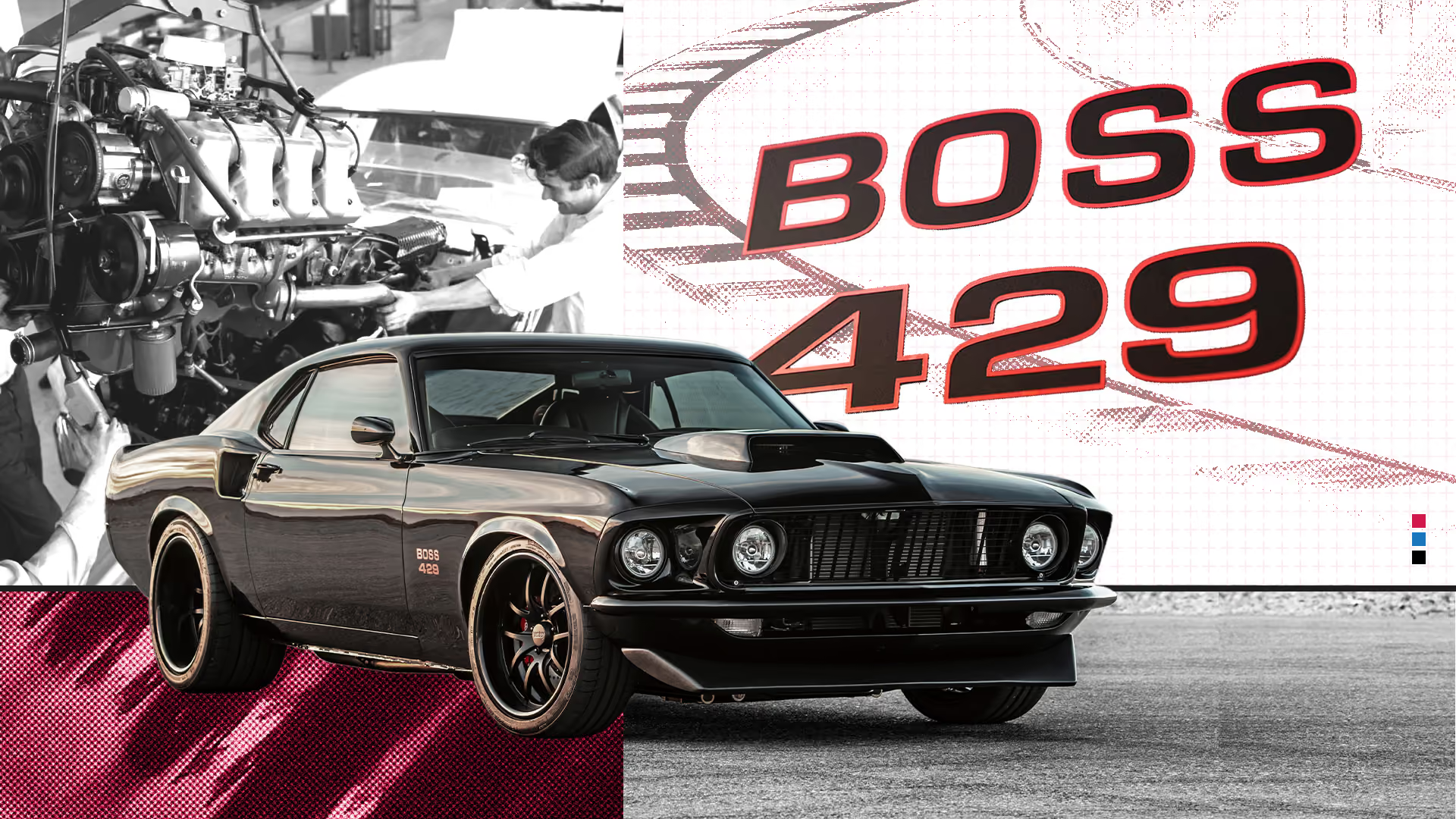
Few Mustangs possess the rarity, presence, and remarkable backstory of the Boss 429.
Produced for only two years, 1969 and 1970, the Boss 429 was created to help Ford homologate its new 429-cubic-inch V8 engine for NASCAR competition. Series regulations required manufacturers to make a version of a racing engine available in a production vehicle before it could compete on the track.
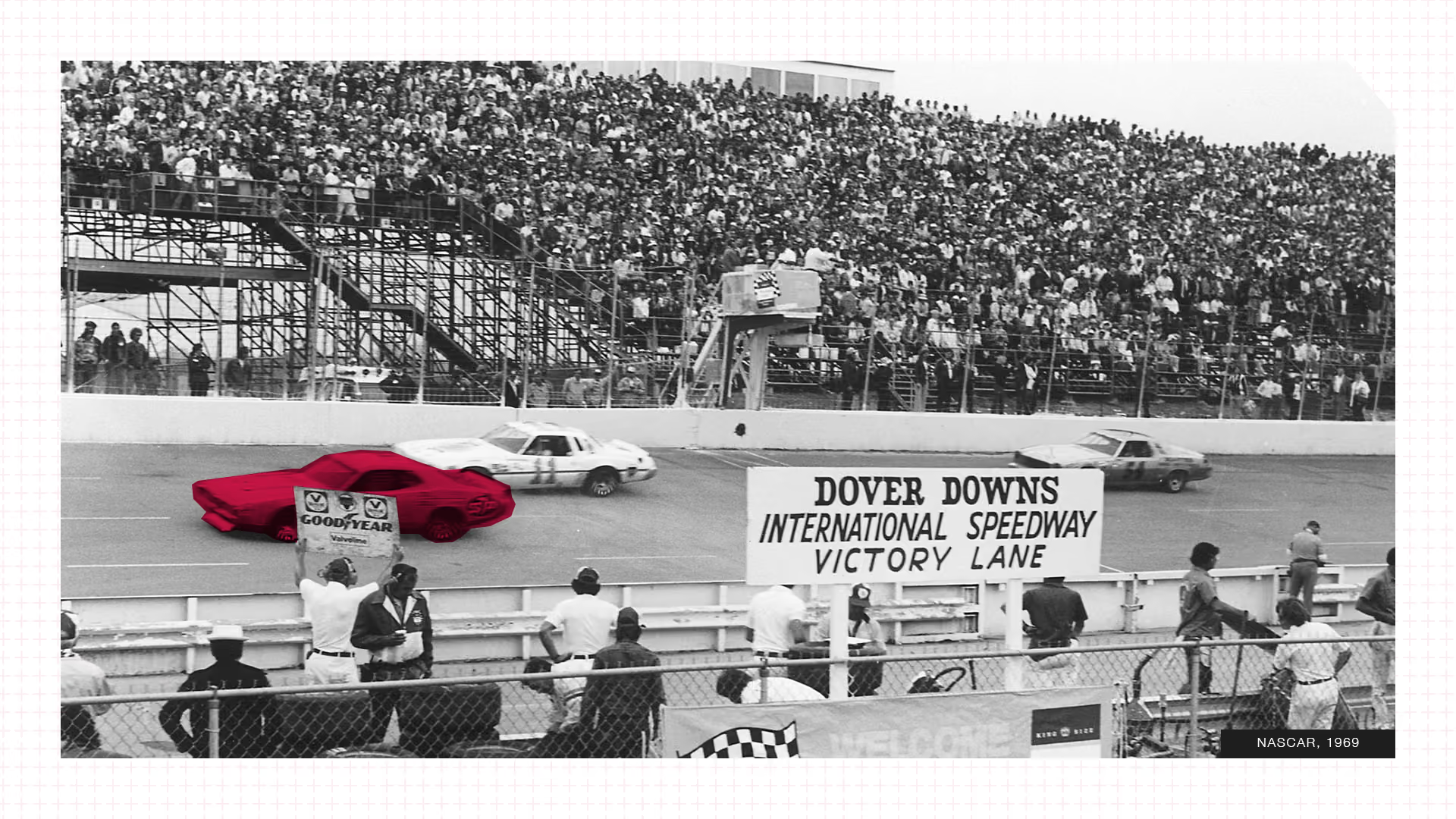
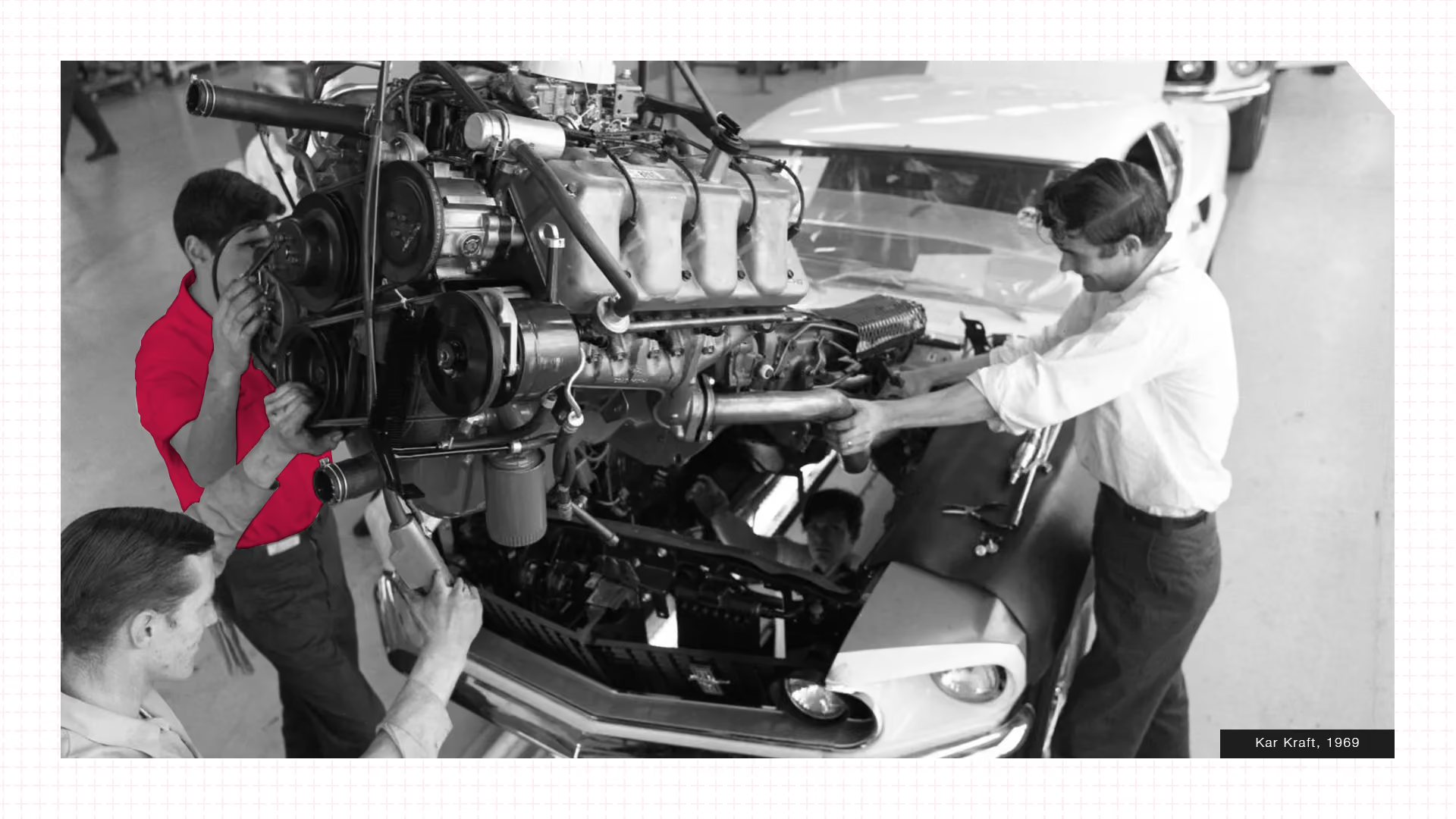
Ford chose the Mustang to bring the engine to the street. But fitting the massive 429 V8 beneath its hood required extensive engineering.
Enter Kar Kraft, the independent automotive engineering company that supported several of Ford’s most important performance programs of the era. Kar Kraft was tasked with modifying partially completed Mustang SportsRoof bodies to accommodate the oversized engine.
The result was one of the most extraordinary Mustangs ever built.
Ford rated the Boss 429 at 375 horsepower, although many experts believe its actual output was higher. Only 1,358 examples were produced across the two model years, establishing the Boss 429 as one of the rarest and most desirable Mustangs in history.
The Iconic Boss 429 Mustang Lives On
Today, original Boss 429 Mustangs are prized collector vehicles. Classic Recreations focuses on the iconic 1969 model, preserving its unmistakable character while transforming the driving experience through modern engineering and craftsmanship.
At the heart of the Classic Recreations Boss is a modern Ford 7.3-liter Megazilla V8 producing 612 horsepower. The engine can be paired with either a Ford Performance 10-speed automatic or a TREMEC six-speed manual transmission.
Wilwood brakes, Detroit Speed suspension, improved steering, and modern electronics further elevate its performance and drivability. The result honors the presence and power of the original while delivering the reliability, control, and refinement expected from a modern performance vehicle.
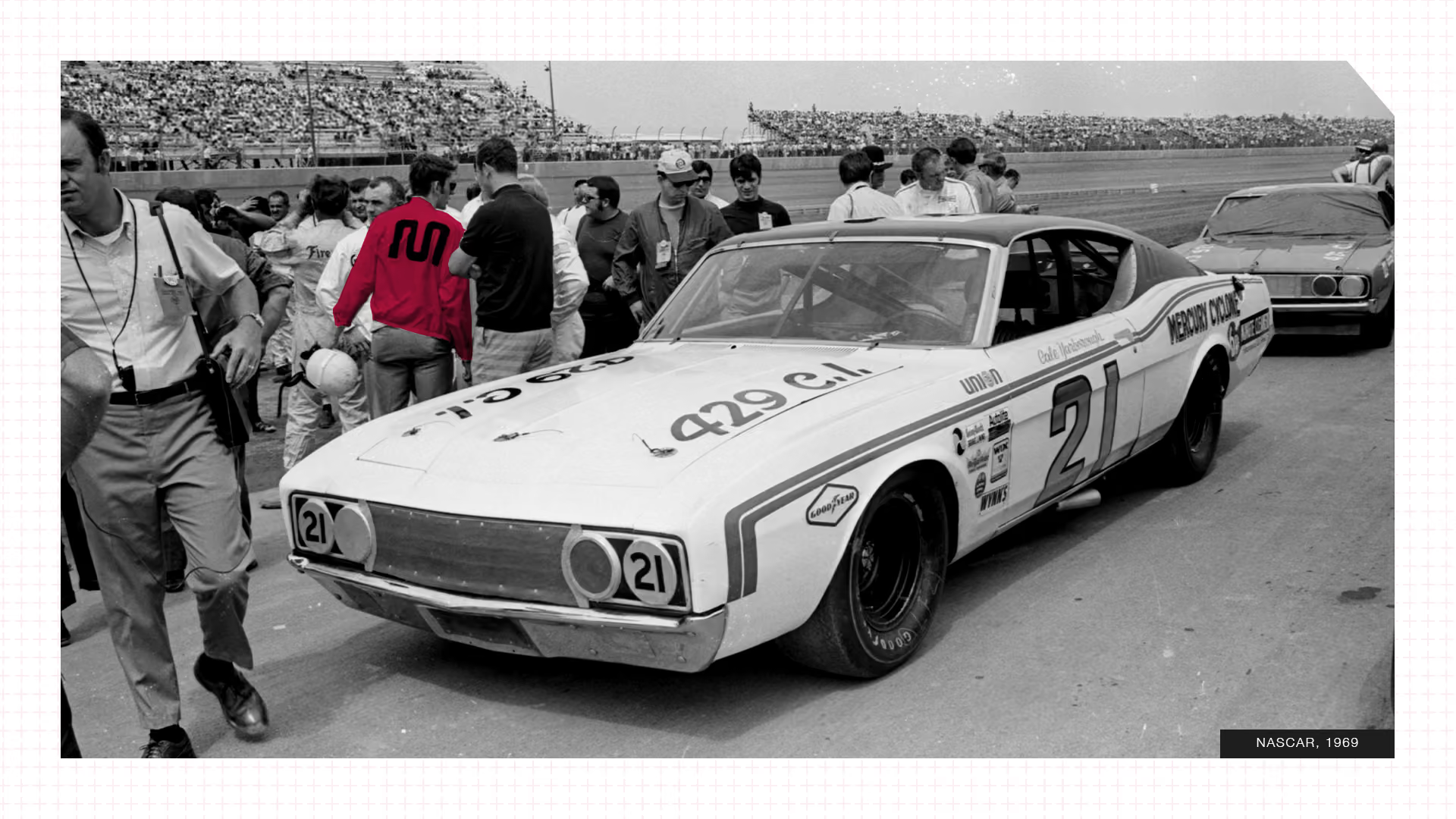
The Boss 429 and its NASCAR Connection
Motorsports have evolved considerably since the Boss 429 made its debut. Engines, aerodynamics, safety systems, and vehicle technology have advanced far beyond what was possible in 1969. Yet, the Boss 429’s connection to racing remains central to its identity.
The original assignment was not to prepare the Mustang itself for NASCAR competition. It was to place Ford’s new racing-derived 429 engine into a production vehicle so the engine could qualify for use on the track.
That unusual mission shaped nearly every aspect of the Boss 429. Its prominent hood scoop, modified engine compartment, revised suspension, and limited production all reflected the engineering required to bring Ford’s motorsports ambitions to the street.
The result was more than another high-performance Mustang. It was a rare meeting point between Ford’s production-car heritage and its pursuit of racing success.
The Boss 429 Still Captivates Enthusiasts
Original Boss 429 Mustangs have become blue-chip collector cars. But like most performance vehicles from the era, they can demand compromises from anyone who wants to drive them regularly. These trade-offs are what makes a modern interpretation so compelling.
Contemporary powertrain, braking, suspension, steering, cooling, and electrical systems address many of the limitations associated with an original vehicle. The intimidating stance and unmistakable design of the 1969 Boss remain, but the driving experience becomes more predictable, comfortable, and confidence-inspiring.
Now, owners can enjoy the car more often and explore its performance without treating every mile as a risk to an irreplaceable piece of automotive history.
Model
Builders and sellers
Programs
For sale
Related stories
- RK Knows: Mustang Mach 1 and Boss (1969–1973) — The Performance Mustangs Beyond Shelby
- How a Classic Recreations Shelby Is Built: Then vs Now
- The History Of The Shelby Mustang: From Track Weapon To Modern Continuation
- The Mach 1: Ford's Grand Touring Mustang
- What Is Carbon Fiber—and Why Classic Recreations Uses It
- Understanding the ‘Eleanor’ Movie Car — History, Myths, and Why Licensed Shelby Builds Are Different