Builder Spotlight
The Mach 1: Ford's Grand Touring Mustang
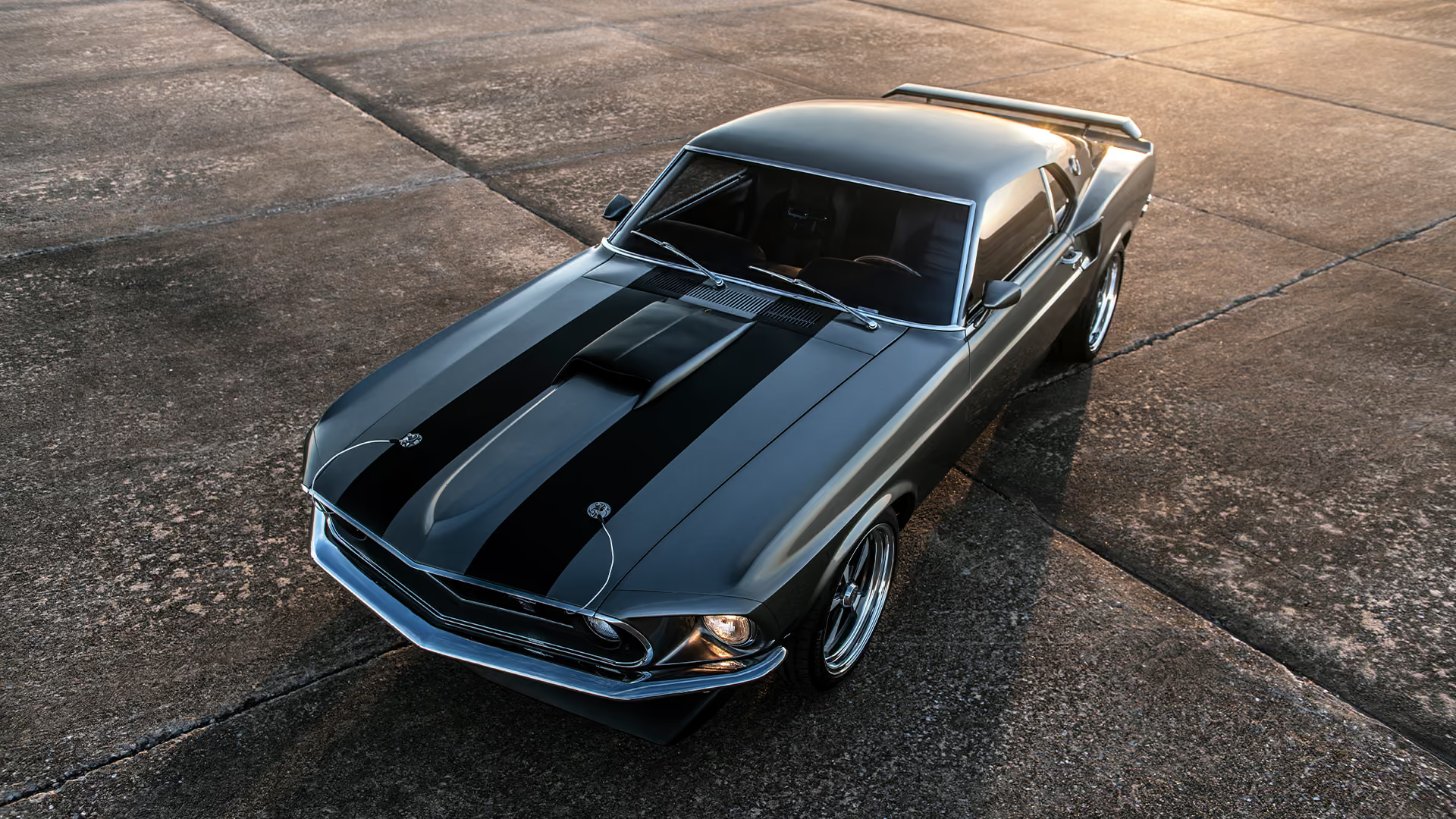
Few Mustangs have balanced performance, presence, and everyday drivability as successfully as the 1969 Mach 1.
- By
- Classic Recreations
- Published
- October 21, 2026
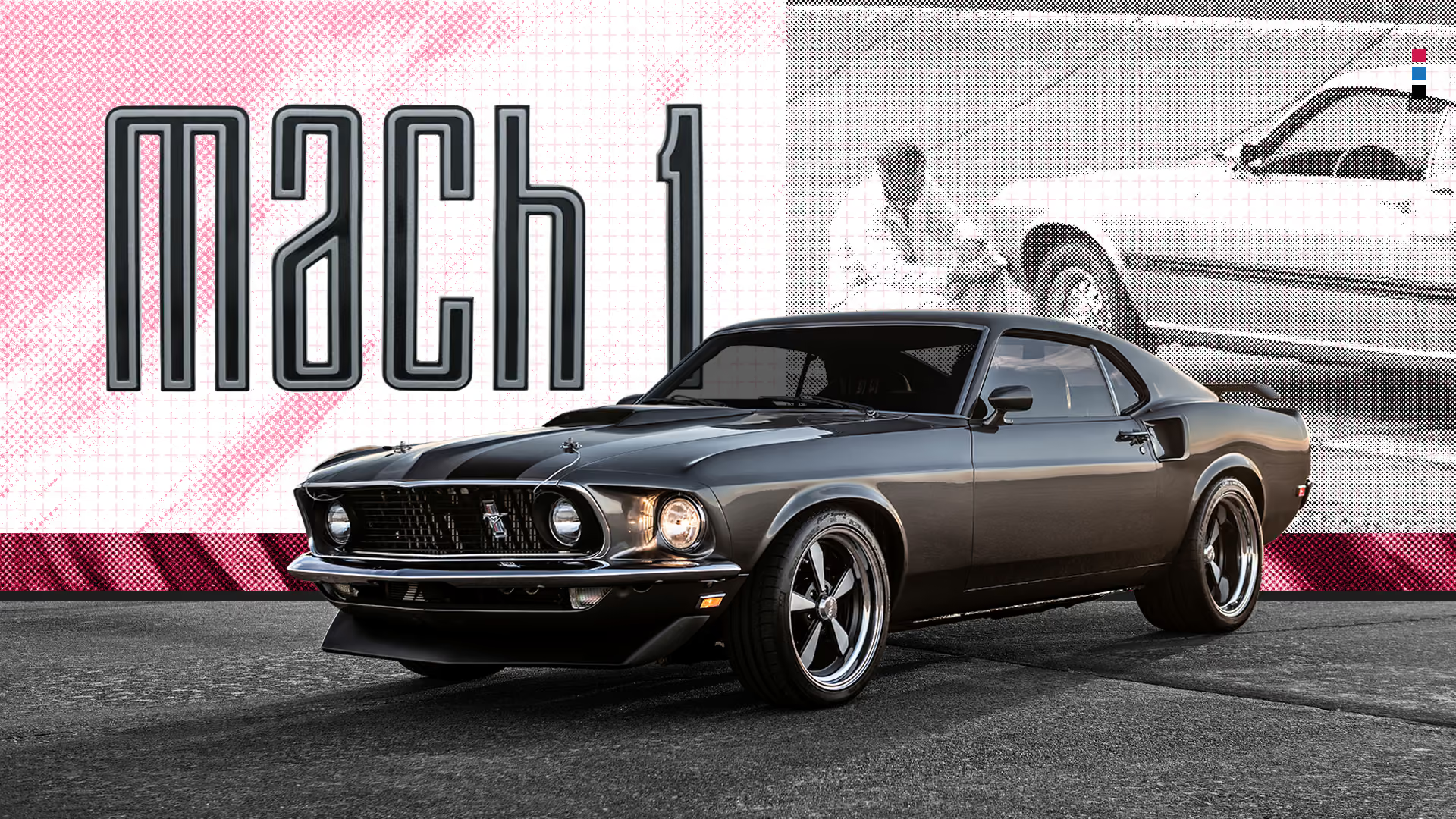
Introduced as Ford rapidly expanded the Mustang lineup, the Mach 1 offered something distinct: muscular styling and V8 power paired with the comfort and refinement that made it compelling well beyond the quarter-mile. By 1969, the Mustang’s performance roster already included formidable names like the Boss 429 and Shelby GT500. The Mach 1 carved out its own space anyway. Ford sold 72,458 Mach 1s that model year which is more than 13 times the number of Mustang GTs.
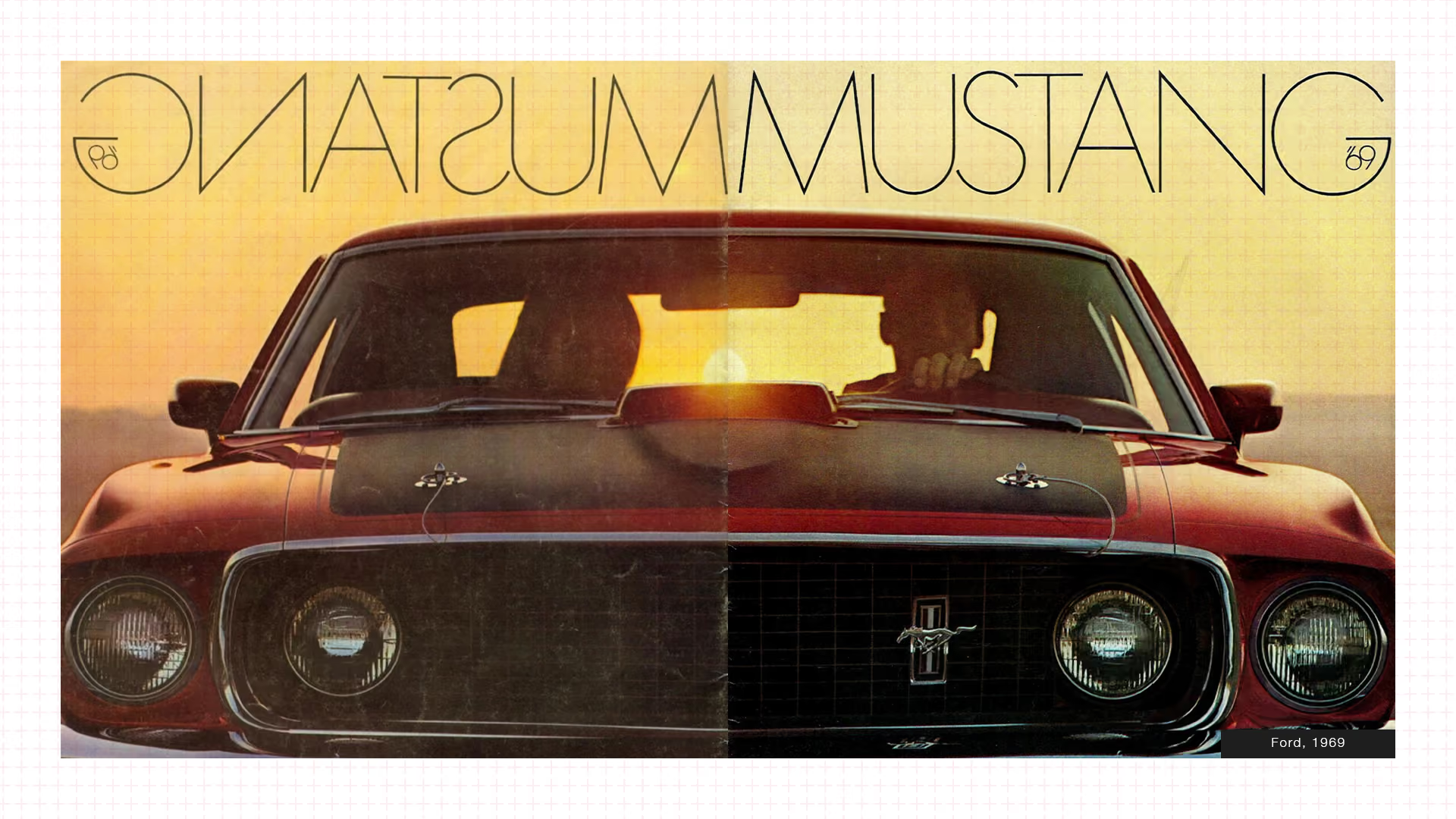
The Birth of a Bestselling Icon
The Mach 1 arrived with a distinct look, commanding road presence, and a range of potent V8 engines that gave it real credibility among enthusiasts. But its existence is also a testament to Ford’s willingness to push the Mustang platform further at a pivotal moment—a rare opportunity to define the American interpretation of the sports car as the 1960s gave way to the 1970s.
The Mustang had been on the road for only about four years when the Mach 1 joined the lineup, at a time when sales were slowing and competition—both within Ford’s own stable and across the industry—was intensifying. Ford’s response was the Mach 1: a Mustang built to deliver the immediate thrill of quick acceleration and confident handling without giving up the versatility needed for a longer journey.
The formula worked immediately, and the Mach 1 became one of the most popular performance Mustangs of its era.
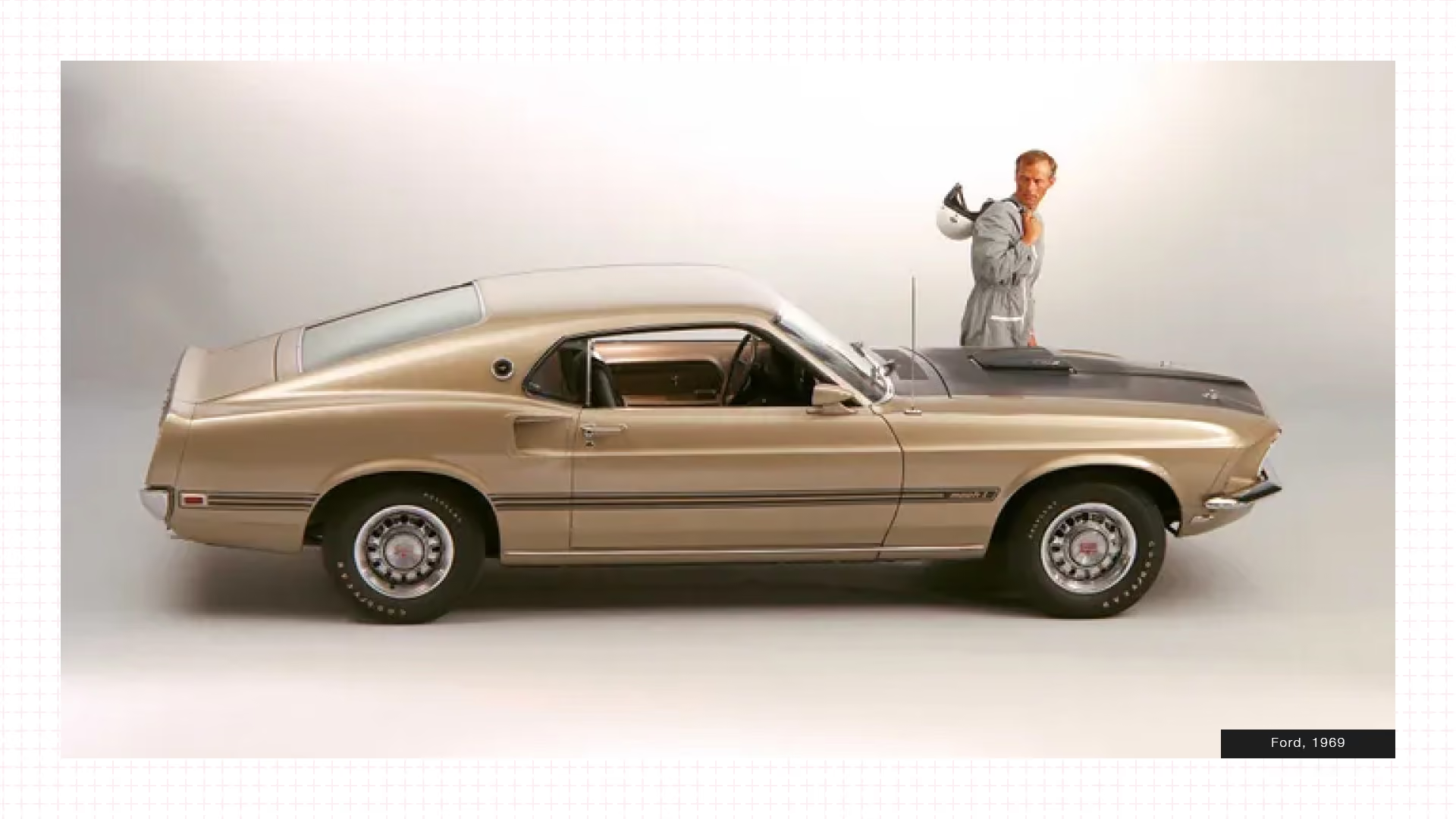
Buyers had real choices to make. The Mach 1 could be equipped with a 5.8-liter Windsor V8, a 6.4-liter V8, or the legendary 7.0-liter Cobra Jet or Super Cobra Jet engine. Ford rounded out the package with competition-inspired suspension, sport mirrors, a hood scoop and hood pins, bold striped graphics, and standout two-tone paint options.
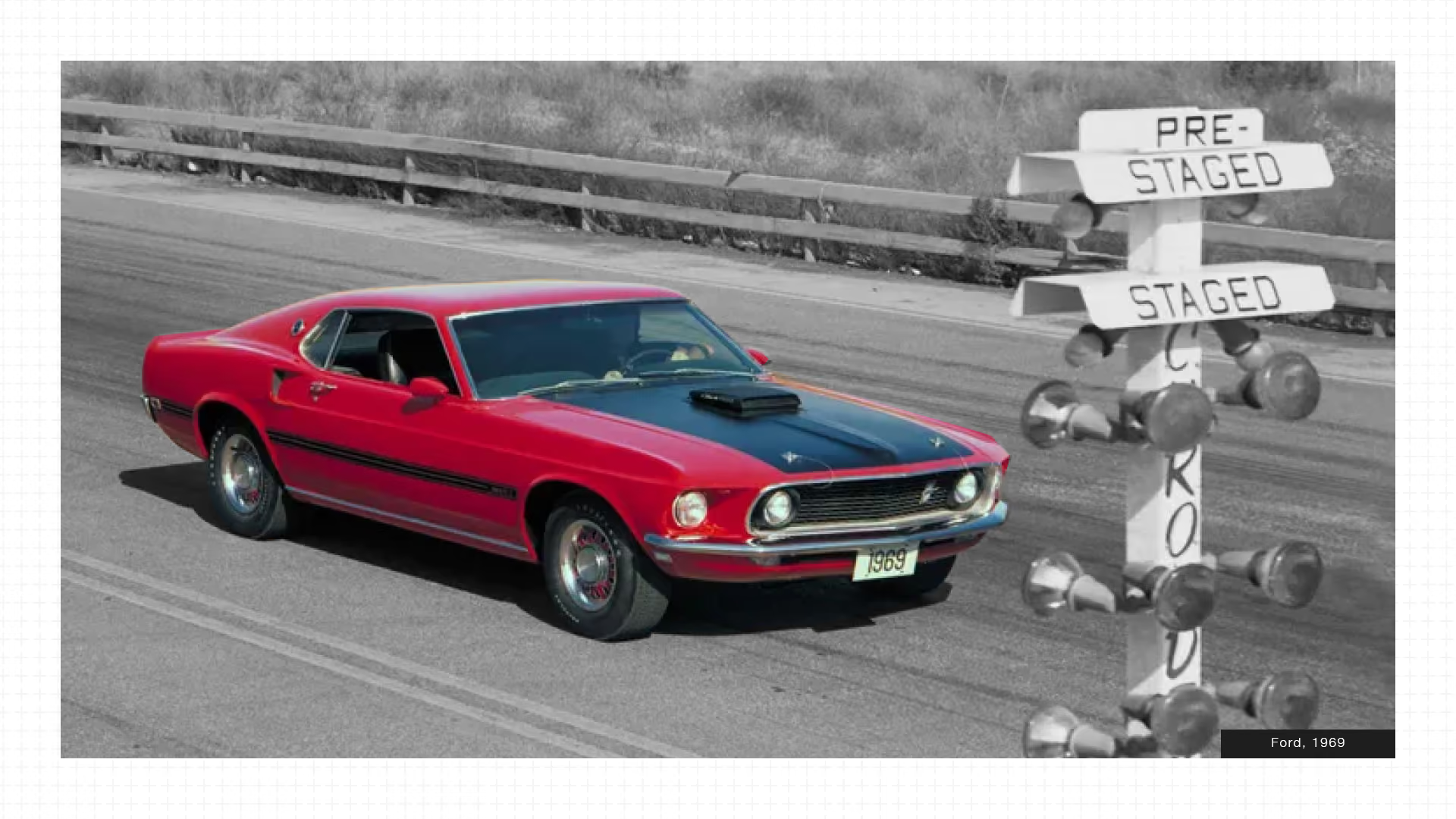
A Muscle Car for the Most Discerning Drivers
The Mach 1 occupied a compelling place in the Mustang lineup. It was unmistakably a muscle car, but it paired that performance with greater interior comfort and distinctive appointments, including high-back bucket seats, molded door panels, and wood-grain trim.
That combination broadened the definition of what a performance Mustang could be, delivering the visual drama and power enthusiasts wanted alongside a cabin built for more than a quick run down the drag strip.
The Mach 1 evolved alongside the Mustang after 1969, receiving styling updates and revised engine offerings along the way. As emissions regulations, insurance costs, fuel prices, and shifting consumer tastes brought the original muscle-car era to a close, the Mach 1 name continued through 1978 and later returned for the 2003–04 and 2021–23 model years.
The Mach 1 Still Matters — Here’s Why
Today, an original 1969 Mach 1 remains one of the most recognizable expressions of classic Mustang performance. Collectors value its history, distinctive appearance, broad range of configurations, and connection to one of the most important eras in American automotive design. Examples equipped with Cobra Jet or Super Cobra Jet power are especially rare and desirable.
But the Mach 1’s importance goes beyond production numbers. It advanced the Mustang’s design while proving that power, comfort, and road-going versatility could coexist in one compelling package.
Model
Builders and sellers
Programs
For sale
Related stories
- RK Knows: Mustang Mach 1 and Boss (1969–1973) — The Performance Mustangs Beyond Shelby
- How a Classic Recreations Shelby Is Built: Then vs Now
- The History Of The Shelby Mustang: From Track Weapon To Modern Continuation
- What Is Carbon Fiber—and Why Classic Recreations Uses It
- Understanding the ‘Eleanor’ Movie Car — History, Myths, and Why Licensed Shelby Builds Are Different
- The Boss 429: Born for NASCAR. Built for Today.