Builder Spotlight
Truck Rust: The Complete Buyer's Inspection Guide
- By
- Casey Dekker
- Published
- November 03, 2026
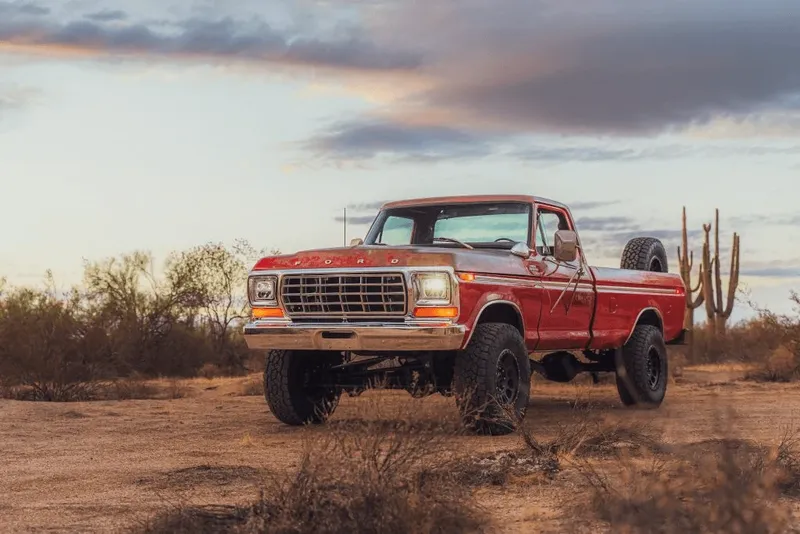
Buying a classic truck is pure fuel for the soul. It’s also where a build can go off the rails fast—because rust doesn’t just “look rough.” Rust changes your budget, your timeline, your safety, and how clean everything fits once the real work begins.
Whether you’re planning a full restomod, a chassis swap, or a simple refresh, this guide will help you spot the trouble areas, understand what you’re seeing, and avoid buying a rusty donor that fights you the whole way.
Clear and strong. No filler. Let’s get after it.
Why Classic Truck Rust Matters More Than Most People Think
Here's the thing about truck rust—it's never just "surface level" for long. What looks like a little bubbling paint today becomes structural weakness tomorrow. And once truck rust gets into mounting points, cab corners, or frame rails, it spreads like wildfire.
At Fat Fender Garage, we've seen builds go sideways because someone thought they could "work around" questionable metal. Here's what truck rust actually costs you:
- Compromised mounting points for body, chassis, and suspension components
- Panel alignment nightmares that make door gaps look like amateur hour
- Skyrocketing labor costs for metal fabrication and structural repairs
- Hidden damage that keeps revealing itself as you dig deeper
- Safety concerns around seat mounts, cab integrity, and frame strength
Even if you're keeping that weathered patina look, you still need solid bones underneath. Modern performance parts, custom chassis components, and quality interiors deserve a foundation that won't flex, crack, or fail when the road gets rough.
Surface Rust vs. Structural Rust: Know What You’re Buying
Before you crawl under a truck, get clear on the three levels you’ll run into.
Surface Corrosion
- Light oxidation on metal surfaces
- Usually cosmetic and manageable
- Often treatable with proper prep and protection
Scale Corrosion
- Flaking, layered deterioration eating into the metal
- Indicates deeper problems brewing
- Requires grinding, assessment, and likely repair
Structural Damage
- Soft spots, holes, cracks, or severe metal thinning
- Affects strength and component mounting
- Often means panel replacement or custom fabrication
Pro tip from the shop: Always buy the cleanest foundation you can afford. Structural truck rust in critical areas will eat your budget faster than any performance upgrade ever could.
Critical Classic Truck Rust Areas Every Buyer Must Check
These are the spots where truck rust loves to hide and cause maximum damage. We've organized them by priority based on what we see most often in our builds.
Builders and sellers
Related stories
- How Fast Is An F100 Coyote 5.0 Swapped?
- Reviving a Classic: The Custom 1949 Ford F1 Truck
- Unveiling a Custom Masterpiece: The 1955 Ford F-100 by Fat Fender Garage
- Fat Fender Garage Is Now an Official Ford Racing Parts Dealer
- Return vs Returnless Fuel System: The Complete Guide
- Simplifying Coyote Swaps: The Power of a Fully Loaded Chassis