Builder Spotlight
Return vs Returnless Fuel System: The Complete Guide
- By
- Jason Noel
- Published
- November 03, 2026
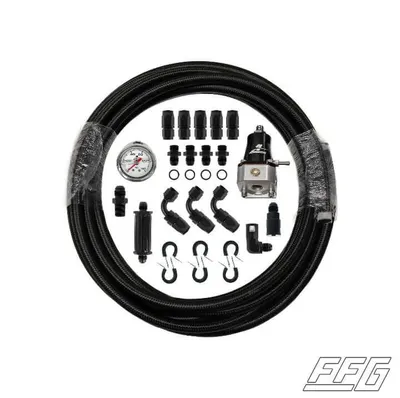
Making the right fuel system choice can make or break your hot rod build. Here's everything you need to know about return vs returnless fuel systems to power your project with confidence.
Every hot rod deserves bulletproof fuel delivery. Whether you're dropping in a Coyote motor or breathing new life into an LS swap, your fuel system forms the foundation of reliable performance. The choice between return vs returnless fuel systems isn't just technical—it's about matching the right technology to your build goals.
At Fat Fender Garage, we've guided countless builders through this decision. Both systems deliver solid results when properly matched to your project, but understanding the differences helps you choose with confidence.
Understanding Return Style Fuel Systems - A Traditional Approach
The return style fuel system represents decades of proven technology. Picture this: fuel flows from your tank through the pump, hits a regulator set at 55-58 PSI, then feeds your fuel rail. Any excess pressure? It cycles back to the tank through a dedicated return line.
How Return Systems Work:
- Fuel pump delivers high pressure (often 100+ PSI)
- Pressure regulator controls fuel rail pressure
- Excess fuel returns to tank via separate line
- Constant circulation keeps fuel cool
This approach shines in forced induction builds. When your turbo or supercharger demands consistent fuel flow during boost, return systems deliver that steady supply by maintaining pressure upstream of the fuel rail.
Return System Benefits:
- Time-tested reliability
- Excellent for turbocharged/supercharged applications
- Familiar technology for traditional builders
- Maintains fuel circulation and cooling
Potential Challenges:
- More sensitive to filter clogs
- Requires return line routing
- Regular regulator maintenance needed
Returnless Style Kit - Embrace Modern Efficiency
A
Step into the future with returnless fuel systems—the same technology powering modern Mustang GTs and Camaro ZL1s. Instead of cycling excess fuel, these systems use pulse width modulated (PWM) controls to run pumps at exact pressures.
How Returnless Systems Work:
- Single fuel line from tank to rail
- PWM controller manages pump speed/pressure
- Fuel rail sensor monitors real-time pressure
- No return line needed
Builders and sellers
Related stories
- How Fast Is An F100 Coyote 5.0 Swapped?
- Reviving a Classic: The Custom 1949 Ford F1 Truck
- Unveiling a Custom Masterpiece: The 1955 Ford F-100 by Fat Fender Garage
- Truck Rust: The Complete Buyer's Inspection Guide
- Fat Fender Garage Is Now an Official Ford Racing Parts Dealer
- Simplifying Coyote Swaps: The Power of a Fully Loaded Chassis