Builder Spotlight
Kimera EVO38: Top Gear on the 4WD Lancia 037 Reimagined
Top Gear’s Jack Rix drove the Kimera EVO38, the four-wheel-drive, 600 bhp follow-up to the EVO37, on mountain roads and an ice lake. Here is his verdict.
- By
- DriveMarket Editorial
- Published
- November 19, 2026
Based on reporting by Jack Rix, Top Gear, 16 February 2026: “Kimera EVO38 review: reborn Lancia gets massive upgrade… and the coolest feature we’ve ever seen”. Read the original. This page is an own-words summary; all credit for the reporting belongs to the author and publication.
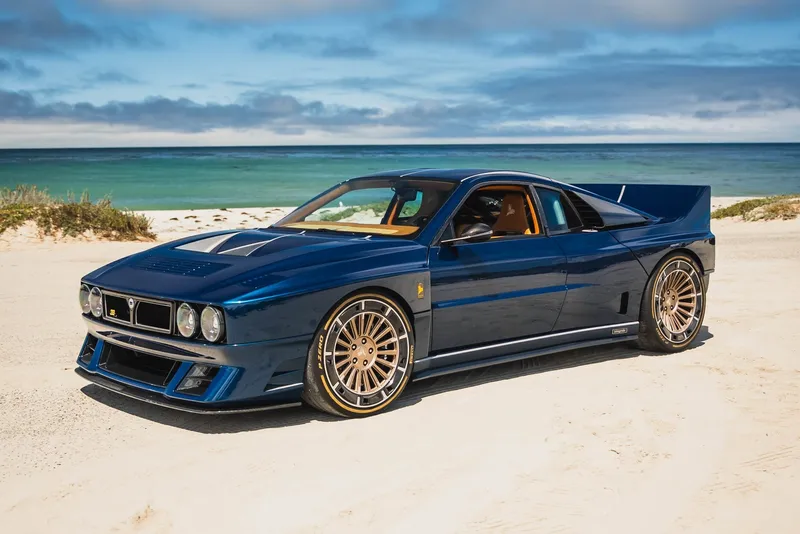
Kimera Automobili’s EVO37 reimagined the Lancia 037 Group B rally car. Its successor, the EVO38, adds four-wheel drive and more power. This story summarises Top Gear’s first drive of the EVO38.
At a glance
- Inspiration: the Lancia 037, the last rear-drive car to win the World Rally Championship; the EVO38 nods to a four-wheel-drive 037 that was in development in the 1980s.
- Builder: Kimera Automobili, founded by former WRC driver Luca Betti.
- Powertrain, per Top Gear: 2.1-litre supercharged and turbocharged four-cylinder, up to 600 bhp with 400, 500 and 600 bhp engine maps, six-speed manual, four-wheel drive.
- Weight, per Top Gear: about 1,100 kg.
- Production, per Top Gear: 38 cars.
What Top Gear found
Jack Rix’s review, published on 16 February 2026, frames the EVO38 as the tricky second album after the EVO37, the car that won Top Gear’s Performance Car of the Year in 2025 against the likes of the Lamborghini Revuelto, Aston Martin Vanquish and Porsche 911 GT3 RS Manthey. Rix describes the EVO37 as technically a restomod with a little Lancia Beta Montecarlo in the chassis and entirely new beyond that.
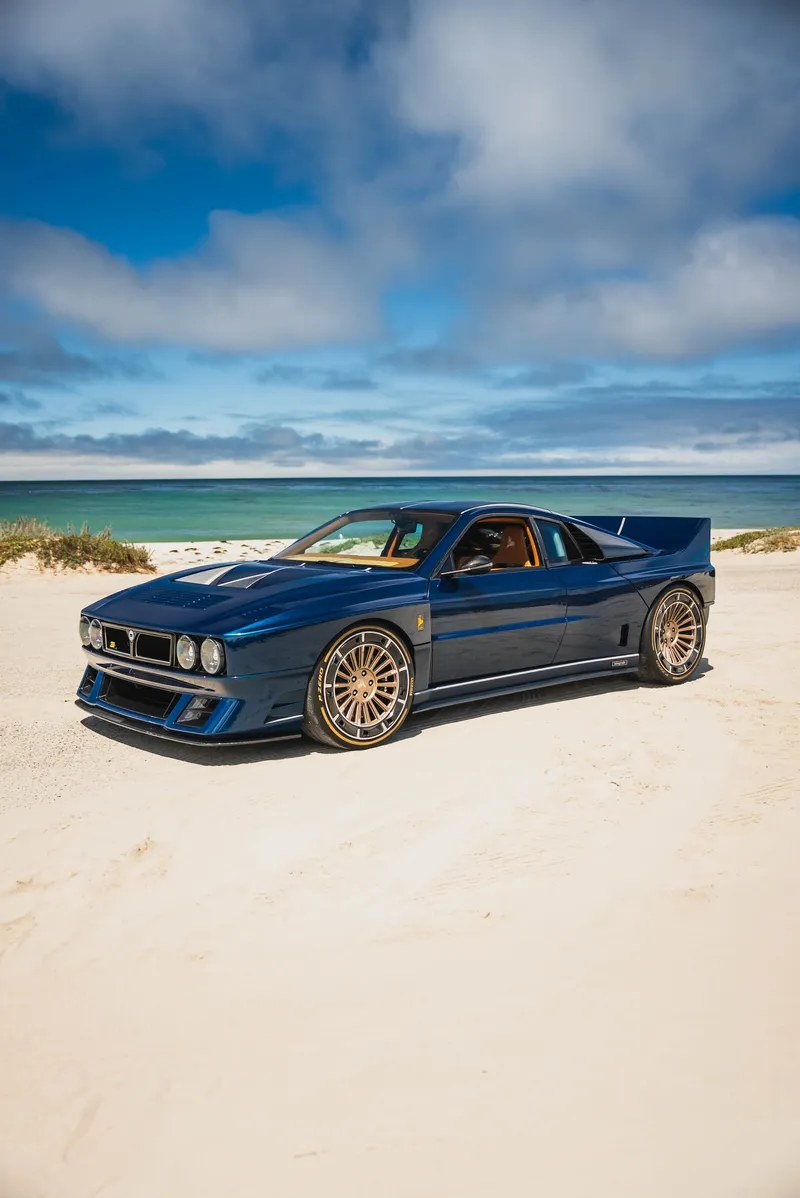
The EVO38 is four-wheel drive rather than rear-drive. A lever beside the driver’s right thigh switches the torque split between 50/50, 25/75 front to rear, or fully rear-drive, and it can be changed on the move.
What is new
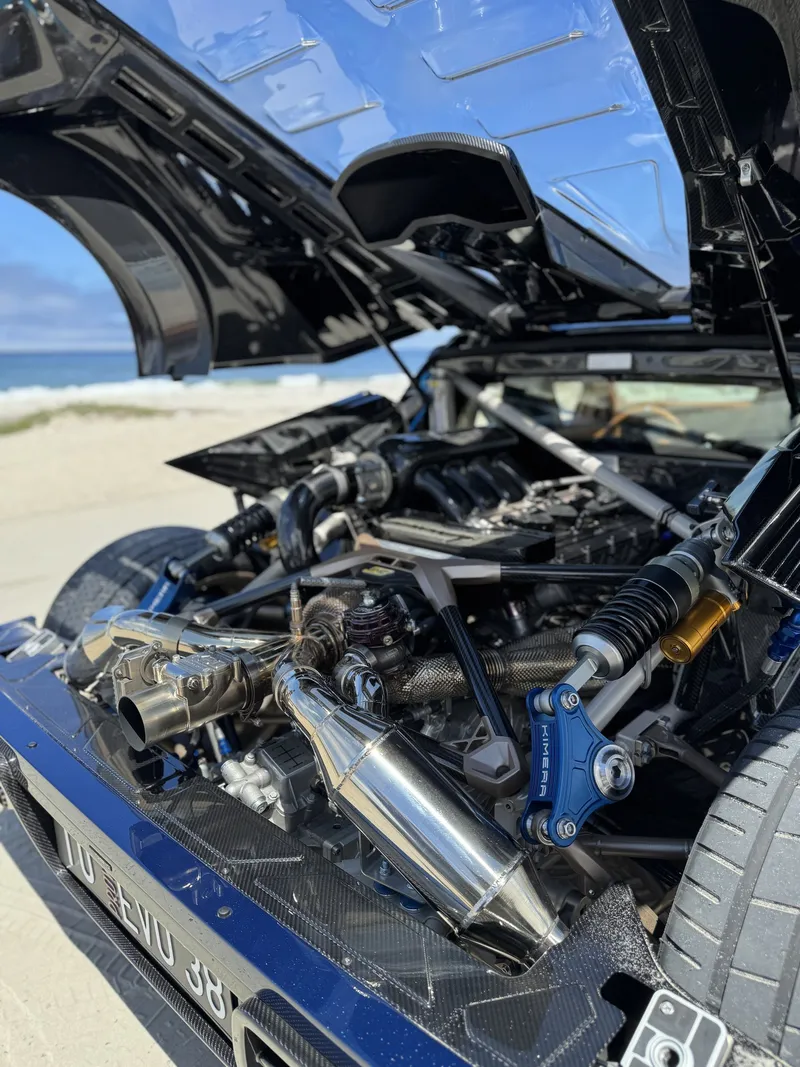
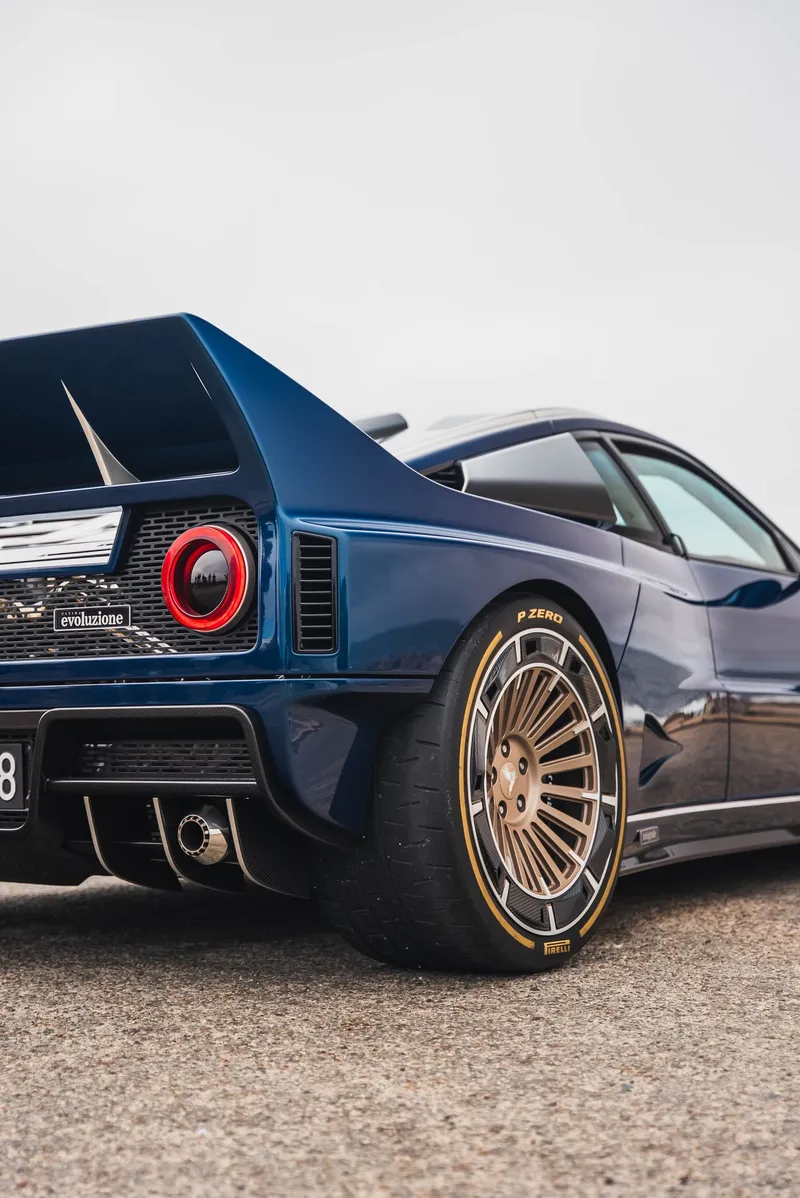
The engine is the EVO37’s supercharged and turbocharged four-cylinder with a bigger turbo, which lifts peak power to 600 bhp. The turbo now sits directly behind the engine, and a switchable exhaust flap lets the gases leave through a single wide pipe or through two lower tips. Rix says that at full chat, with the flap open, the turbo can be seen glowing orange from behind. Moving it also frees space for a roof-mounted ram-air scoop.
The suspension is now an inboard push-rod layout at both ends, with a hydraulic system in the dampers that raises each corner by 50 mm for rally-car clearance. Extra bracing makes the chassis three times stiffer. The six-speed manual has shorter ratios, and the front splitter, an S-duct and a slatted, transparent engine cover inspired by the Ferrari F40 are among the visible changes.
Inside and on the road
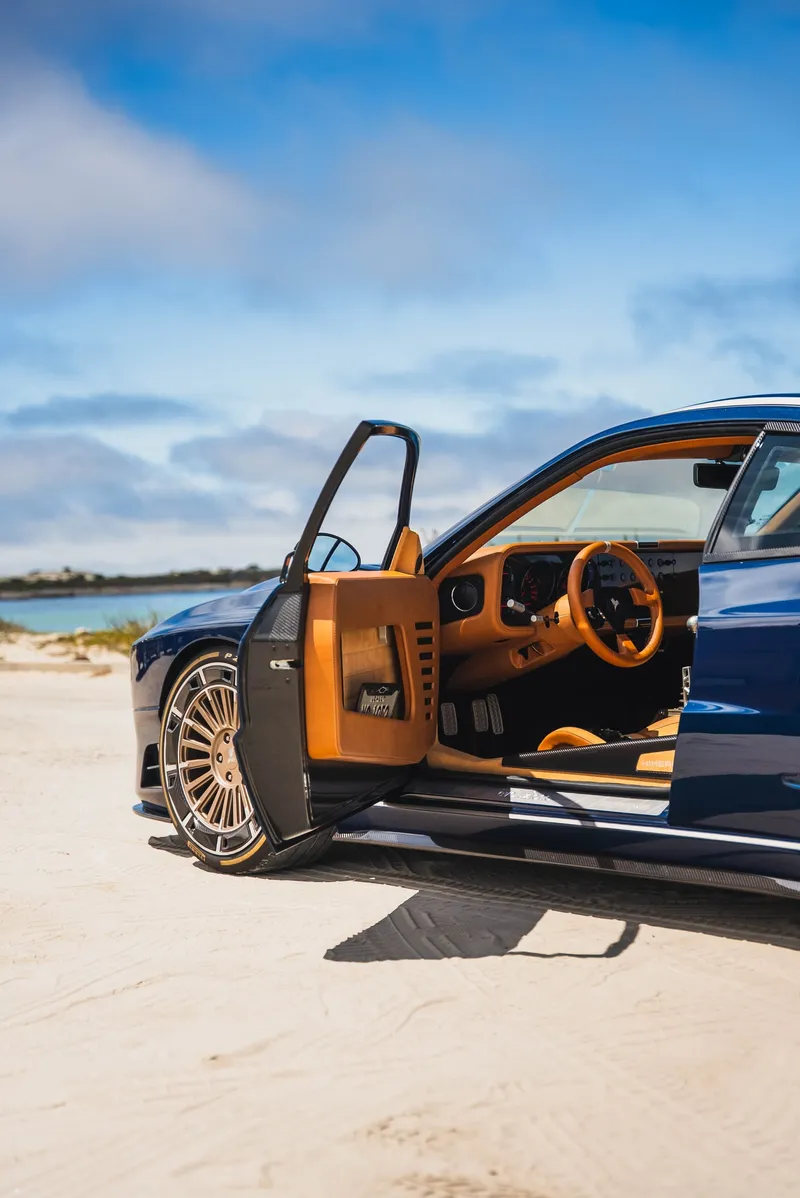
Rix wrote that the interior is even more tactile than the EVO37’s. The front driveshaft is housed in a transparent box with red lines so you can watch it spin, a roof panel carries helicopter-style toggle switches, and the car is started by flicking them in turn before pressing two buttons. There is also a hydraulic handbrake, a 48-volt air-conditioning system and analogue dials with small screens built into them.
On the road he found it even better than the EVO37: more grip, but still keen to rotate like a rally car, with quick steering and a gearshift and clutch with heft and precision. On an ice lake, with Luca Betti coaching, he held long four-wheel drifts and found the car balanced, predictable and robust, which he said suggests it is built like a rally car as well as styled like one.
He called it one of the most exciting cars he has driven. Top Gear’s price was €880,000 plus local taxes, or £918,000 in the UK including VAT, with production capped at 38 cars and every one already sold at the time. Those are Top Gear’s figures from February 2026, not a current price.
On DriveMarket
Sources
This is an own-words summary of “Kimera EVO38 review: reborn Lancia gets massive upgrade… and the coolest feature we’ve ever seen” by Jack Rix, published by Top Gear on 16 February 2026. All credit for the reporting and opinions belongs to the author and publication; please read the original for the full review. Images are supplied by HK Motorcars and Kimera Automobili. Lancia and 037 are marks of their respective owners and are used for identification only.
Model
Builders and sellers
Programs
For sale
Related stories
- Encor Series 1: the Remastered Lotus Esprit, and Build Slots for Q1 2028 Delivery
- Gunther Werks: Three Ways to Remaster a 993
- Restomods at Rétromobile New York 2026: Vintage Modern’s Fastback, Luminari, Rennquest and the Gooding Christie’s Sale
- The Final SCRS: Tuthill Completes Its Run of 15
- Vintage Modern Vintage Fastback: 840 hp Carbon-Bodied Mustang Revealed at Rétromobile New York
- Eccentrica V12: Top Gear Drives the Reborn Lamborghini Diablo